
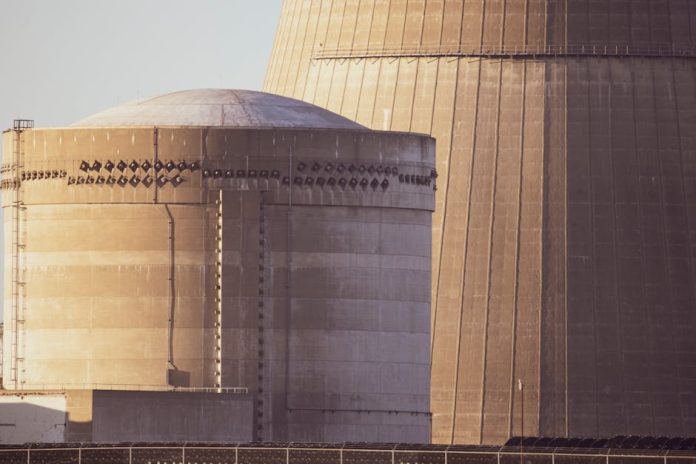

Recent global tensions have once again cast a spotlight on Iran’s controversial nuclear program, fueling intense speculation: are its facilities obliterated, heavily damaged, or perhaps more resilient and robust than ever before? The narrative is often a murky mix of intelligence leaks, official denials, and calculated ambiguity, leaving the world to wonder about the true state of Iran’s atomic ambitions.
For decades, Iran’s nuclear program has been a flashpoint of international concern, primarily due to its uranium enrichment capabilities, which could theoretically be repurposed for a nuclear weapon. While Iran consistently asserts its program is for peaceful energy purposes, its history of clandestine activities and limited transparency with international monitors has bred deep distrust, leading to sanctions, cyberattacks, and even physical sabotage.
The ‘damaged’ and ‘inoperable’ narratives often stem from a series of high-profile incidents. The infamous Stuxnet cyberattack in the late 2000s reportedly set back Iran’s enrichment efforts significantly by damaging centrifuges at its Natanz facility. More recently, explosions and fires at key sites, including Natanz and Parchin, have been widely attributed to sabotage, aiming to slow down or cripple the program. Add to this the assassinations of several prominent Iranian nuclear scientists, and it paints a picture of a program under relentless assault, potentially hobbled beyond immediate recovery.
However, the ‘stronger than ever’ counter-narrative, championed by Tehran, cannot be ignored. Despite setbacks, Iran has consistently demonstrated a remarkable capacity to rebuild and advance. After each reported attack or incident, Iranian officials often declare increased enrichment capacity, the deployment of more advanced centrifuges, or the construction of new, more secure underground facilities. The expansion of the Natanz underground plant and the continued operation of the Fordow facility, built deep within a mountain, suggest a program designed for resilience against external threats, perhaps even leveraging attacks as an impetus for indigenous innovation and hardening.
What’s truly known, versus what’s speculated, remains elusive. The International Atomic Energy Agency (IAEA) is the world’s nuclear watchdog, tasked with monitoring Iran’s nuclear activities. While IAEA inspectors are present, their access has often been restricted, particularly to undeclared sites or concerning advanced centrifuge components. Satellite imagery provides some clues about construction and activity, but it cannot definitively confirm the operational status or extent of damage within heavily fortified underground complexes.
Ultimately, the true operational status and future trajectory of Iran’s nuclear facilities remain subjects of intense debate among intelligence agencies and geopolitical analysts. What is clear is that Iran’s nuclear program is far from static. It continues to evolve under pressure, showcasing both its vulnerabilities to external interference and its persistent determination to advance its capabilities. The enigma persists, leaving the world to grapple with the profound implications of what truly lies beneath the desert sands.