


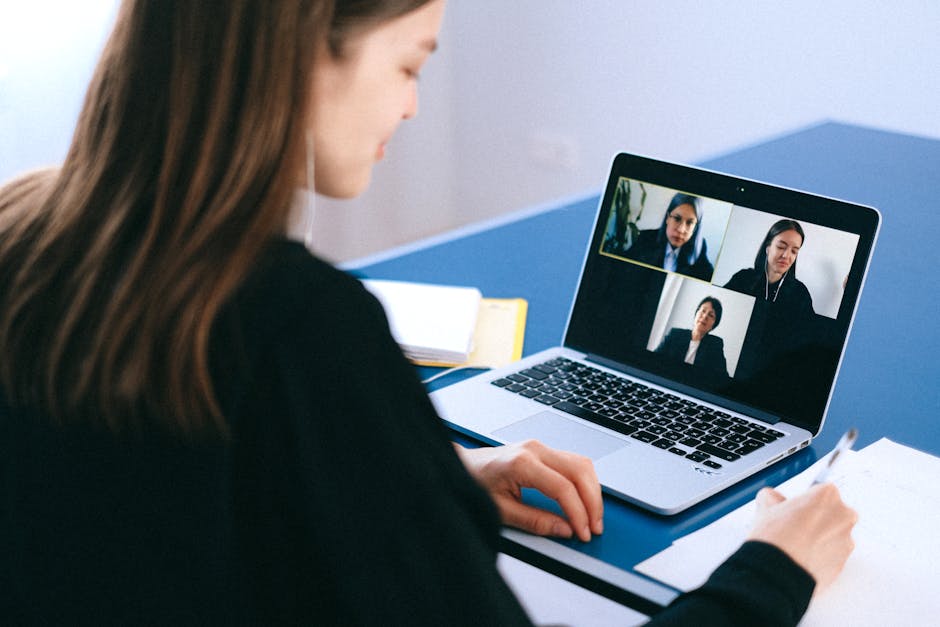
In today’s hyper-connected world, the idea of being watched without your knowledge might sound like something out of a spy movie. But the reality is far more unsettling: your webcam and even your smartphone’s camera can indeed be hacked. This isn’t just a theoretical threat; it’s a growing concern for millions, and understanding the risks is the first step to securing your digital privacy.
How Do Hackers Access Your Cameras?
Cybercriminals employ a variety of sophisticated techniques to gain unauthorized access to your devices’ cameras. One of the most common methods is through malware. This can be anything from viruses disguised as legitimate software downloads to malicious links embedded in phishing emails. Once installed, this malware can allow a hacker to remotely control your camera, activating it without any visible indicator on your screen.
Another vulnerability lies in weak or reused passwords. If your online accounts, especially those linked to cloud services that might sync with your devices, have easily guessable passwords, hackers can exploit them to gain entry. Default camera passwords on older or less secure smart home devices are also a prime target.
Phishing attacks are also incredibly effective. By tricking you into clicking on a malicious link or downloading an infected attachment, hackers can deploy spyware that grants them access to your camera feed. Even seemingly harmless apps on your phone might request camera permissions they don’t genuinely need, creating a potential backdoor.
The Consequences: More Than Just an Invasion of Privacy
The ramifications of a hacked camera go beyond a simple invasion of privacy. Hackers can use the footage for blackmail, identity theft, or even to plan physical burglaries by observing your routines and the contents of your home. For businesses, compromised webcams can lead to the theft of sensitive proprietary information or trade secrets.
Protecting Yourself: Simple Steps for Peace of Mind
The good news is that you aren’t powerless against these threats. Here are some crucial steps to take:
- Use Strong, Unique Passwords: Avoid common passwords and never reuse them across multiple accounts. Consider a password manager.
- Enable Two-Factor Authentication (2FA): This adds an extra layer of security, requiring more than just your password to log in.
- Be Wary of Suspicious Links and Downloads: If an email or message seems too good to be true, or asks for personal information, it likely is.
- Cover Your Webcam: When not in use, a simple webcam cover or even a piece of tape can provide a physical barrier.
- Review App Permissions: Regularly check which apps have access to your camera and microphone, and revoke permissions for those that don’t need it.
- Keep Software Updated: Software updates often include security patches that fix vulnerabilities hackers might exploit.
- Secure Your Wi-Fi Network: Use a strong password for your home Wi-Fi and ensure your router’s firmware is up to date.
Your digital privacy is paramount. By understanding the risks and implementing these preventative measures, you can significantly reduce the chances of your webcam or phone camera falling into the wrong hands.