
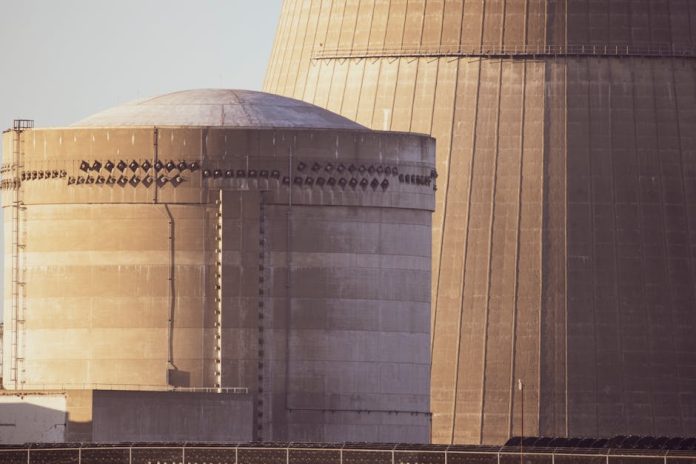

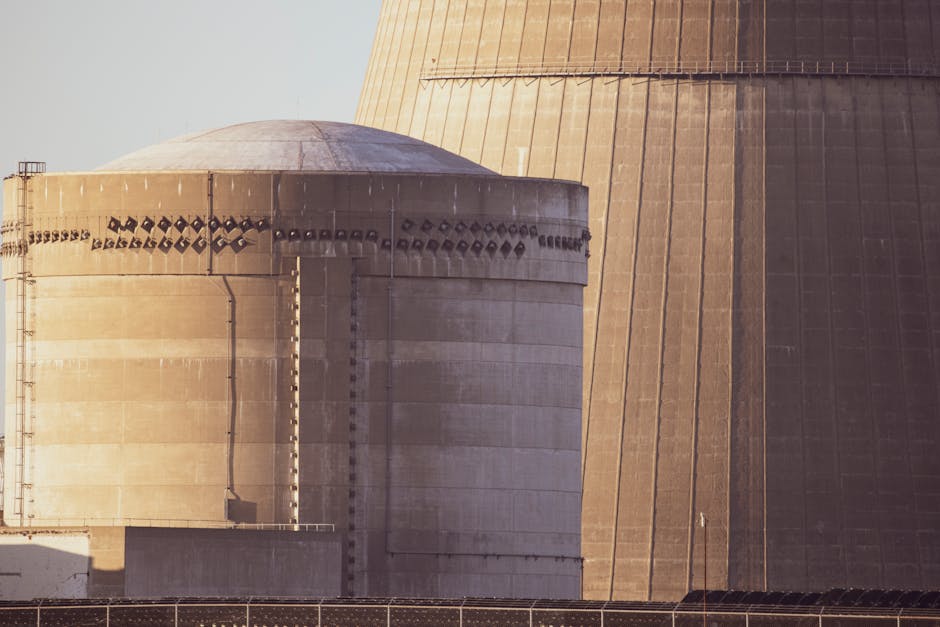
Recent whispers and satellite imagery have ignited a global conversation about the state of Iran’s nuclear facilities. Amidst heightened geopolitical tensions, questions swirl: are these critical sites intact, significantly damaged, or even entirely inoperable? Understanding the truth is crucial to deciphering Iran’s nuclear ambitions and the stability of the region.
The complexity of Iran’s nuclear program, spread across multiple locations, makes definitive assessment challenging. Key facilities like the Natanz uranium enrichment plant and the Arak heavy water reactor have been focal points of international scrutiny and, at times, alleged sabotage. Reports have emerged of fires, explosions, and unexplained disruptions at these very sites. However, the exact nature and extent of any damage, and whether it has permanently crippled Iran’s ability to enrich uranium or produce plutonium, remain subjects of intense debate and intelligence gathering.
Supporters of a more aggressive stance often point to evidence suggesting successful disruption, arguing that these incidents have set back Iran’s nuclear progress significantly. Conversely, proponents of a more cautious approach emphasize the resilience of Iran’s nuclear infrastructure and the potential for rapid repairs or redeployments. It’s important to remember that Iran’s nuclear program is a sophisticated and adaptable entity, capable of operating in clandestine and underground facilities, making direct visual confirmation of its operational status extremely difficult.
The international community, particularly through agencies like the International Atomic Energy Agency (IAEA), continuously monitors Iran’s nuclear activities. However, access and verification remain ongoing challenges. While the IAEA’s reports provide valuable insights, they are often based on limited inspections and data provided by Iran itself. This leaves room for interpretation and speculation.
Ultimately, the question of whether Iran’s nuclear facilities are obliterated, merely damaged, or still fully operable is a nuanced one. The available evidence suggests a mixed picture, with likely setbacks for certain operations but no definitive proof of complete incapacitation. The ongoing cat-and-mouse game between Iran and international inspectors continues, with the true operational status of its nuclear program remaining one of the most closely guarded secrets on the global stage.