

We’ve all been there. The best intentions for a vibrant, consistent home workout routine, quickly dissolving into a pile of ignored yoga mats and dusty dumbbells. For years, I struggled to make my home fitness stick. It felt like a constant battle against my own motivation, the siren song of the couch, and the ever-present distractions of daily life. But after countless false starts and moments of self-doubt, I discovered seven key changes that finally unlocked my ability to stay committed. If you’re tired of the cycle, these might just be your breakthrough too.
1. Ditching the “All or Nothing” Mentality
This was perhaps the biggest hurdle. I used to think if I missed a planned workout, the whole day was a write-off. This led to guilt and eventual abandonment. The shift? Embracing the idea that *any* movement counts. A 15-minute walk is better than nothing. A quick stretching session is still progress. This flexibility removed the pressure and made it easier to get back on track after an off day.
2. Scheduling Workouts Like Important Appointments
If it’s not in the calendar, it doesn’t happen. I started treating my workouts with the same seriousness as a doctor’s appointment or a work meeting. I blocked out specific times, even if it was just 30 minutes. This visual commitment made it much harder to skip.
3. Investing in Equipment That Actually Excited Me
My initial attempts involved whatever I could find. But investing in a few key pieces of equipment – a good quality yoga mat, a set of adjustable dumbbells, and resistance bands – transformed my experience. Suddenly, my home gym felt more inviting and less like a chore. The tactile experience of using decent gear made a surprising difference.
4. Creating a Dedicated “Workout Zone”
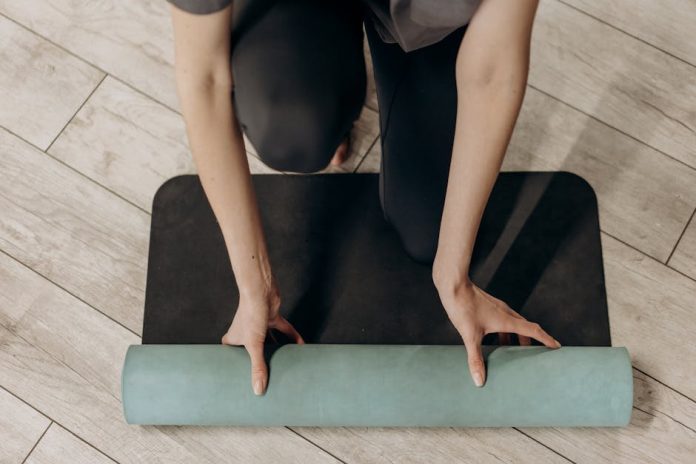
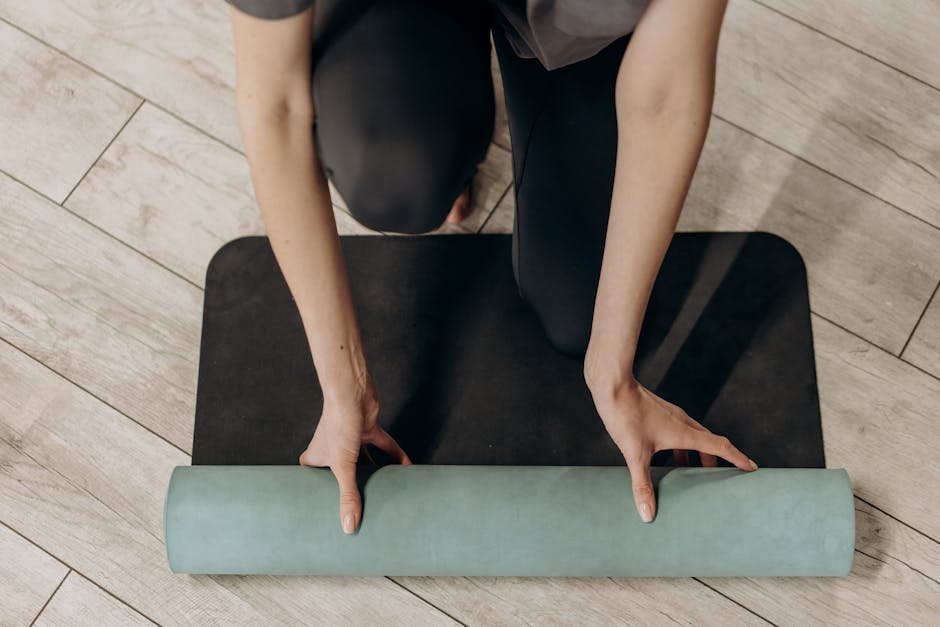
Even if you live in a small space, designating a specific area for your workouts makes a huge psychological impact. It signals to your brain that this is a place for movement and focus, separate from where you relax or work. I cleared a corner in my living room, rolled out my mat, and even added a small plant. It felt like *my* space, and that made a difference.
5. Finding a Workout Style I Genuinely Enjoyed
Forcing yourself to do exercises you hate is a recipe for failure. I experimented with different online classes, from high-intensity interval training (HIIT) to yoga, Pilates, and even dance cardio. The moment I found a style that felt fun and energizing, my commitment skyrocketed. It stopped feeling like a punishment and started feeling like self-care.
6. Tracking My Progress (Beyond Just the Scale)
While the scale can be a useful metric, focusing solely on it can be discouraging. I started tracking other things: how many reps I could do, how much longer I could hold a plank, how much more energy I had throughout the day, and even just my overall mood. Seeing this broader progress was incredibly motivating and provided a more holistic view of my fitness journey.
7. Building a Support System (Even Virtually)
I joined a few online fitness communities and shared my goals with a friend. Knowing others were on a similar path, cheering each other on, and sharing tips made me feel less alone and more accountable. Even a simple text to a friend saying, “Just finished my workout!” can provide a small but significant boost.
Sticking to a home fitness routine isn’t about having superhuman willpower; it’s about creating a system that supports your goals. By making these seven changes, I finally found a way to build a sustainable and enjoyable fitness habit that genuinely improved my life.