

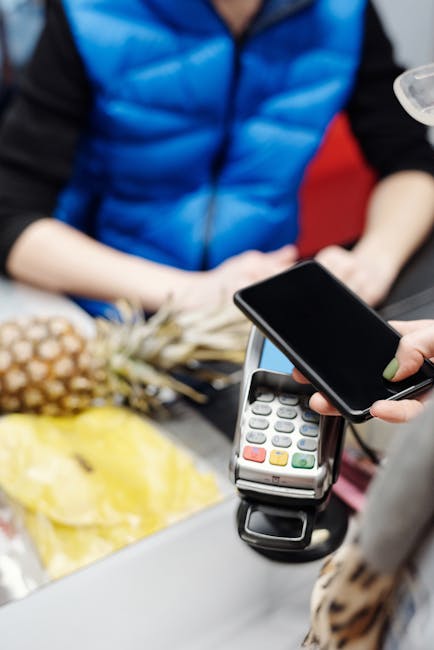
The allure of ‘Buy Now, Pay Later’ (BNPL) services, now seamlessly integrated with Apple Pay, is undeniable. Imagine getting that must-have gadget or latest fashion piece instantly, without draining your current bank account. It sounds like financial freedom, right? But before you tap and approve that installment plan, it’s crucial to pause and consider the potential pitfalls that lie beneath the convenient surface of Apple Pay’s BNPL offerings.
The Convenience Trap: Easy Access, Easy Debt
Apple Pay’s integration makes BNPL incredibly accessible. With just a few taps, you can spread the cost of purchases over time. This ease of use, however, can be a double-edged sword. It lowers the barrier to entry for taking on debt, making it far too simple to overspend and accumulate multiple payment plans without a clear overview of your total financial commitment. What starts as a small, manageable payment can quickly snowball if not tracked diligently.
Hidden Fees and Interest: The Fine Print Matters
While many BNPL services tout ‘interest-free’ periods, this often comes with strings attached. Miss a payment, and you could be hit with late fees that can be substantial. Moreover, some providers might sneak in hidden fees or charge interest on outstanding balances, especially if you opt for longer repayment terms. Understanding the terms and conditions of each BNPL provider is paramount; ignorance here can lead to unexpected and costly surprises.
Impact on Your Credit Score: A Potential Blow
While some BNPL providers may not conduct a hard credit check for initial sign-ups, many do report late payments or defaults to credit bureaus. This can negatively impact your credit score, making it harder to secure loans, mortgages, or even rent an apartment in the future. If you’re already managing multiple BNPL plans, a single missed payment across any of them could have a ripple effect on your overall creditworthiness.
The Illusion of Affordability: Overspending and Impulse Purchases
BNPL services create an illusion of affordability. By breaking down a large purchase into smaller, seemingly manageable installments, it can trick your brain into believing you can afford more than you actually can. This can lead to impulse purchases that you later regret and struggle to pay off. The psychological effect of seeing a lower upfront cost can override rational financial decision-making.
Debt Stacking: A Recipe for Financial Disaster
The true danger lies in ‘debt stacking’ – juggling multiple BNPL plans from different providers. Each plan represents a commitment, and without careful management, it becomes incredibly difficult to keep track of due dates and amounts. This can quickly lead to a cascade of missed payments, late fees, and a tangled web of debt that can be overwhelming to untangle.
Alternatives to Consider: Responsible Financial Habits
Before you reach for the ‘Buy Now, Pay Later’ option with Apple Pay, consider these alternatives:
- Save Up: The most financially sound approach is to save for your purchase. It builds discipline and ensures you’re buying what you can truly afford.
- Credit Cards (with caution): If you have a good credit history, a credit card can offer rewards and purchase protection. Just ensure you pay off the balance in full each month to avoid interest.
- Budgeting Tools: Utilize budgeting apps and strategies to gain a clear picture of your finances and allocate funds for necessary purchases.
The Bottom Line
While Apple Pay’s BNPL feature offers undeniable convenience, it’s essential to approach it with extreme caution. Understand the terms, be mindful of your spending, and prioritize saving and responsible budgeting. Before you tap that button, ask yourself: is this purchase truly within my means, or am I just delaying the inevitable financial strain?