
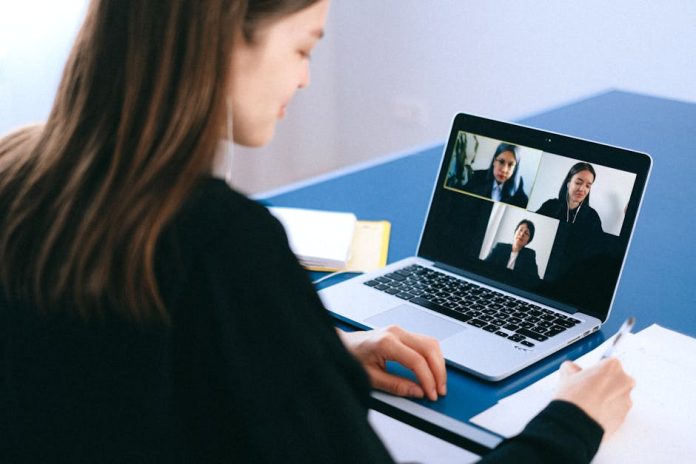

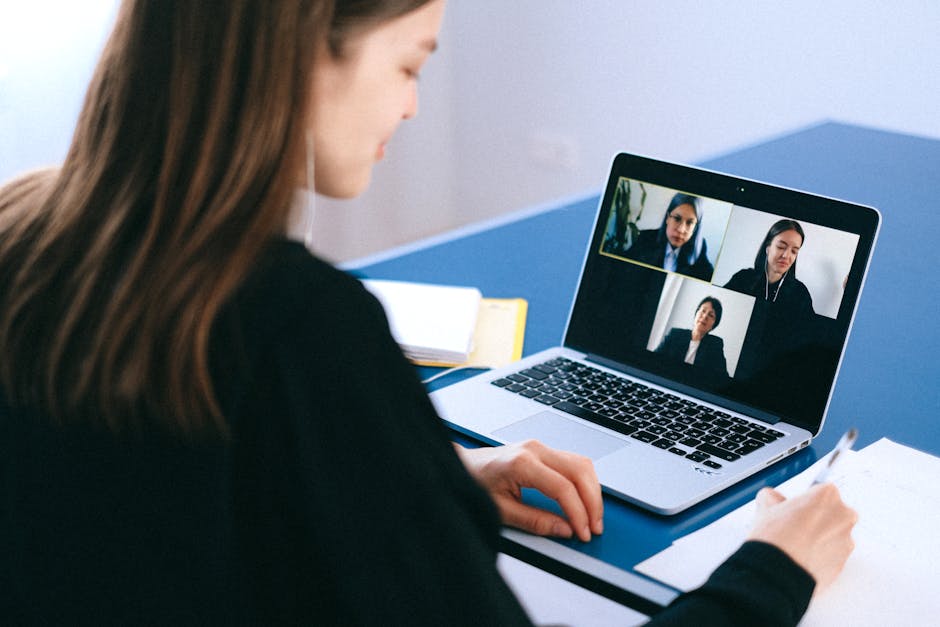
In an age where our lives are increasingly digitized, the idea that our personal devices might be compromised can be a chilling thought. And when it comes to webcams and smartphone cameras, the reality is more unsettling than fiction. Yes, your seemingly innocuous lenses can be hacked, turning your own devices into potential tools for surveillance. This isn’t just the stuff of spy thrillers; it’s a present-day threat that demands our attention.
How Does Camera Hacking Happen?
Cybercriminals employ various sophisticated methods to gain unauthorized access to your cameras. One common vector is through malware. If you’ve accidentally downloaded a malicious file or clicked on a suspicious link, malware can be installed on your device, granting hackers remote access. This malware can activate your camera without your knowledge, capturing video and audio feeds.
Another significant vulnerability lies in weak or reused passwords. Many smart devices, including laptops with built-in webcams and even smart home cameras, rely on default passwords or easily guessable credentials. If these aren’t changed immediately, hackers can exploit this weakness to gain access. Phishing attacks also play a role, tricking you into revealing login information that can then be used to access your connected devices.
The Risks Are Real
The implications of a hacked camera are far-reaching and deeply invasive. Imagine private moments, sensitive conversations, or even your home environment being recorded and shared without your consent. This can lead to identity theft, blackmail, and profound emotional distress. For businesses, compromised cameras can expose confidential meetings, intellectual property, and customer data, leading to significant financial and reputational damage.
Protecting Yourself: Simple Steps to Take Back Control
Fortunately, you’re not powerless against these threats. Here are crucial steps to bolster your digital privacy:
- Cover Up: The simplest and most effective measure for your laptop’s webcam is a physical barrier. Use a webcam cover or a piece of tape to block the lens when not in use. It’s a low-tech solution with high-impact results.
- Strong, Unique Passwords: Never use default passwords. Create strong, unique passwords for all your devices and online accounts. Consider using a password manager to keep track of them.
- Enable Two-Factor Authentication (2FA): Where available, enable 2FA on your accounts. This adds an extra layer of security, requiring a second form of verification beyond your password.
- Be Wary of Links and Downloads: Exercise extreme caution when clicking on links or downloading attachments from unknown or suspicious sources. If an offer seems too good to be true, it probably is.
- Keep Software Updated: Regularly update your operating system, web browser, and all applications. Updates often include security patches that fix vulnerabilities.
- Review App Permissions: On your smartphone, regularly check which apps have permission to access your camera and microphone. Revoke access for any apps that don’t genuinely need it.
- Secure Your Wi-Fi Network: Your home Wi-Fi network is the gateway to your connected devices. Ensure it’s secured with a strong password and WPA2/WPA3 encryption.
Your privacy is a precious commodity. By understanding the risks and implementing these proactive measures, you can significantly reduce the chances of your webcam or phone camera falling into the wrong hands.