
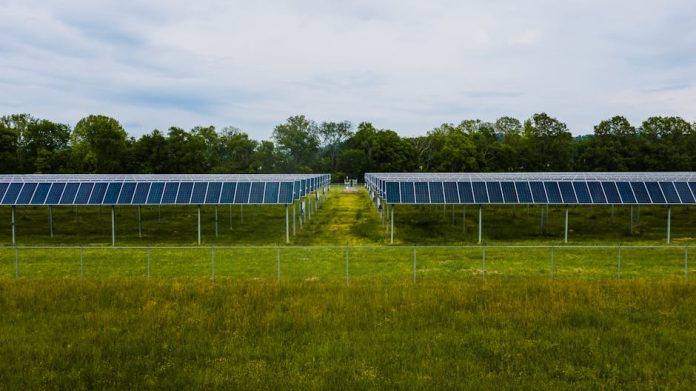


The solar industry is experiencing a sun-drenched boom, with manufacturing capabilities expanding at a record pace. From cutting-edge silicon wafer production to the final assembly of photovoltaic panels, the sector is buzzing with activity. This growth is fueled by a global surge in demand for clean energy, driven by climate change concerns and ambitious renewable energy targets. Companies are investing heavily, creating jobs, and pushing the boundaries of solar technology.
However, beneath this gleaming surface, a crucial question looms: can this solar revolution sustain itself without the guiding hand of government incentives? Advocates for the industry are sounding the alarm, arguing that a premature withdrawal of tax credits, rebates, and manufacturing grants could send the booming sector into a tailspin.
These incentives have played a pivotal role in leveling the playing field, making solar power competitive with traditional fossil fuels. They encourage investment, support research and development, and help build a robust domestic supply chain. Without them, the cost of solar manufacturing could rise, making it harder for American-made solar products to compete with cheaper imports, potentially hindering job growth and slowing the transition to a cleaner energy future.
The debate is heating up: is the solar industry mature enough to thrive independently, or does it still require a steady stream of support to navigate the complexities of global markets and technological advancement? The answer will shape not only the future of solar power but also the pace of our planet’s decarbonization efforts.